Back
Back
Back
Back
Back
Back
Back
Back
Back
Back
Back
Back
Back
Back
Back
Back
Update : April 01, 2026
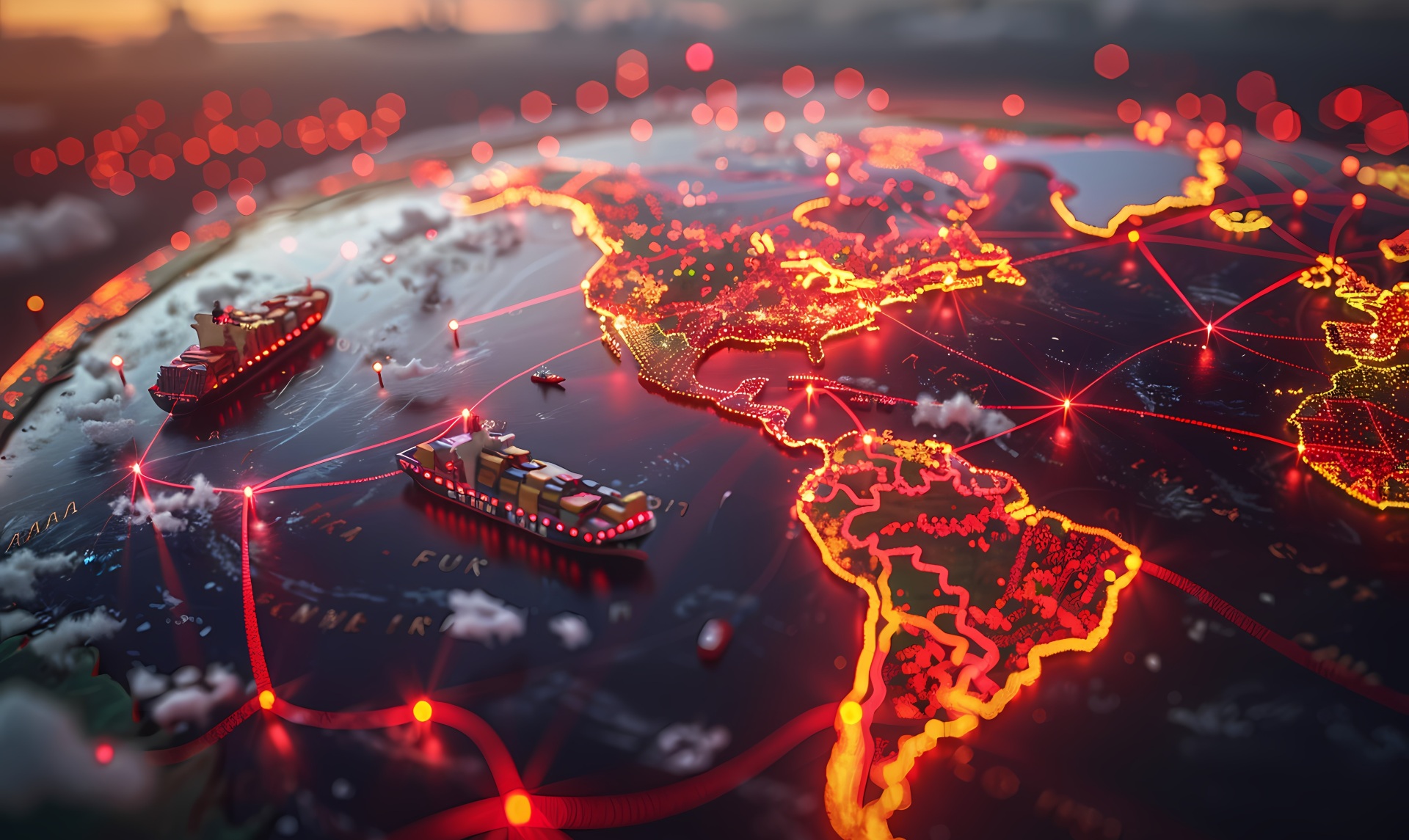
Global trade depends heavily on maritime transport. Nearly 80% of international merchandise trade moves by sea, making shipping routes the backbone of the global economy. When goods ranging from energy and food to electronics and automobiles move across continents, they pass through a handful of strategic maritime corridors known as shipping chokepoints. These narrow waterways connect major oceans and continents, enabling faster and more efficient trade flows. However, their strategic importance also makes them vulnerable to disruptions caused by geopolitical tensions, accidents, piracy, climate events, or infrastructure failures.
When a critical shipping route is disrupted—even temporarily—the consequences ripple through global supply chains. Freight rates surge, energy prices fluctuate, and global trade slows. In this article, we explore five of the most important global shipping routes whose disruption could significantly impact the global economy.
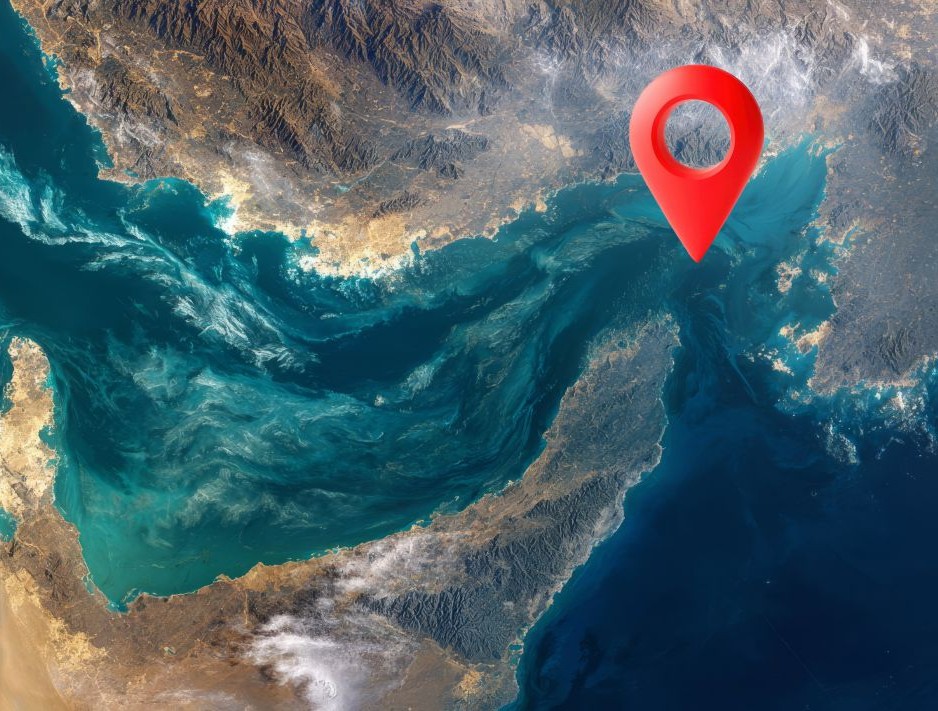
The Strait of Hormuz is widely considered the most strategically important shipping route in the world. Located between Iran and Oman, this narrow passage connects the Persian Gulf to the Arabian Sea and the wider Indian Ocean.
Why it mattersApproximately 20% of the world’s oil shipments pass through the Strait of Hormuz, making it the most critical energy transit chokepoint globally. Major oil exporters including Saudi Arabia, Iraq, the UAE, Kuwait, and Qatar rely on this route to transport crude oil and liquefied natural gas (LNG) to markets in Asia, Europe, and beyond.
Risks of disruptionThe Strait of Hormuz has long been exposed to geopolitical tensions in the Middle East. Any military conflict, blockade, or attack on shipping vessels could immediately disrupt global energy supplies.
Potential global impactIf shipping through Hormuz were restricted or blocked:
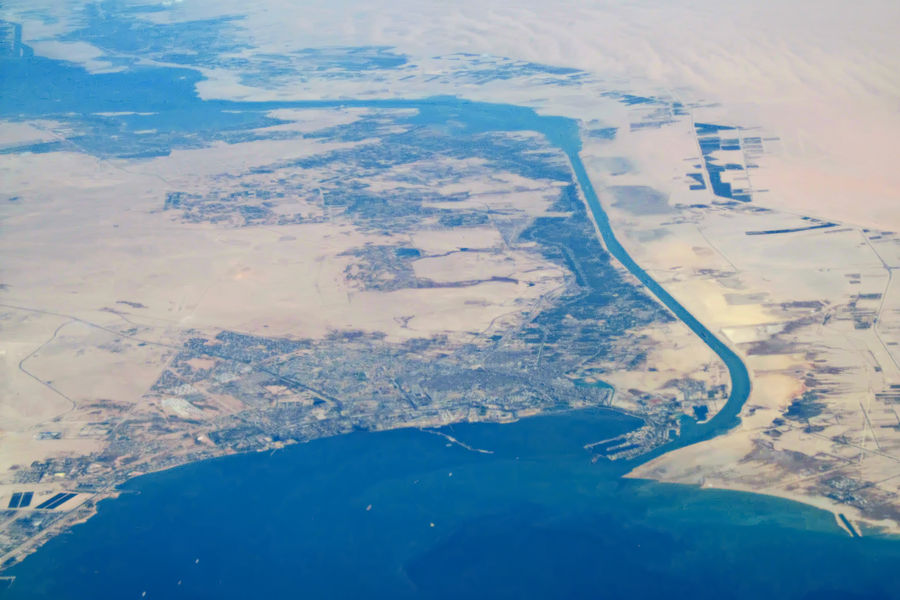
The Suez Canal is one of the most important artificial waterways in the world. Located in Egypt, it connects the Mediterranean Sea with the Red Sea, creating the shortest maritime route between Europe and Asia.
Why it mattersAbout 12% of global trade and nearly 30% of global container traffic passes through the Suez Canal. The canal saves ships thousands of miles by eliminating the need to sail around Africa via the Cape of Good Hope.
Risks of disruptionThe world witnessed the vulnerability of this route in 2021 when the container ship Ever Given blocked the canal for six days, disrupting billions of dollars’ worth of trade.
Potential threats include:
A major disruption in the Suez Canal could:
This narrow waterway connects the Indian Ocean with the Pacific Ocean, making it the primary trade corridor between Europe, the Middle East, and East Asia.
Roughly 25% of global maritime trade passes through the Strait of Malacca, including a large share of energy shipments destined for China, Japan, and South Korea.
Risks of disruptionDespite its importance, the strait faces several risks:
If this shipping route were disrupted:
Given the scale of trade flowing through Malacca, it is considered one of the most sensitive logistics chokepoints globally.
The Bab el-Mandeb Strait is a critical gateway linking the Red Sea with the Gulf of Aden and the Indian Ocean.
This narrow maritime corridor connects shipping traffic from the Suez Canal to global routes toward Asia.
Why it mattersEvery vessel moving between Europe and Asia via the Suez Canal must pass through Bab el-Mandeb.
This makes it an essential corridor for:
The region surrounding Bab el-Mandeb has experienced ongoing geopolitical tensions and security threats, including attacks on commercial vessels in the Red Sea.
Potential global impactA disruption here could:
Because of its connection to the Suez Canal trade route, Bab el-Mandeb acts as a crucial gateway for global maritime commerce.
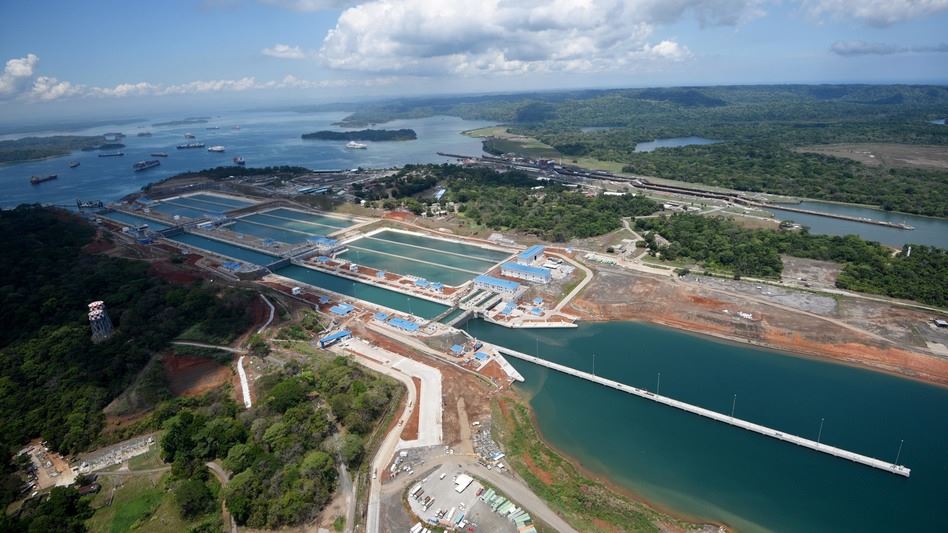
The Panama Canal is another vital global shipping route, linking the Atlantic Ocean with the Pacific Ocean.
Why it mattersThe canal significantly reduces travel time for ships moving between the east and west coasts of the Americas, as well as between Asia and the eastern United States.
Thousands of vessels pass through the canal annually carrying:
The Panama Canal faces a unique set of risks including:
If the Panama Canal were severely restricted:
Recent climate-related water shortages have already highlighted the canal’s vulnerability.
Maritime chokepoints are not just narrow waterways, they are critical infrastructure for the global economy. A single disruption in one of these routes can quickly cascade into worldwide supply chain shocks.
When these shipping corridors are affected, the consequences can include:
For businesses involved in global trade, understanding these strategic maritime routes is essential for risk management, logistics planning, and supply chain resilience.
From the Strait of Hormuz to the Panama Canal, the world’s economy relies on a handful of strategic shipping routes. These maritime corridors connect continents, power industries, and sustain international trade.
As geopolitical tensions, climate challenges, and rising trade volumes continue to shape the logistics landscape, safeguarding these critical shipping routes will remain essential for the future of global commerce.
In a world where major shipping routes can be disrupted by geopolitical tensions, climate challenges, or operational constraints, having a reliable logistics partner is more important than ever.
At Transworld, we continuously monitor global trade routes and market dynamics to ensure cargo moves efficiently, even during periods of uncertainty.
With decades of experience in container shipping, multimodal logistics, and integrated supply chain solutions, Transworld helps businesses maintain continuity across key global trade corridors.
Whether your cargo moves across the Middle East, Asia, Europe, or the Americas, our teams work proactively to provide flexible routing, reliable vessel services, and end-to-end logistics support.
Looking for dependable shipping and logistics solutions for your global cargo movement? Connect with Transworld today to explore how our shipping and logistics expertise can support your supply chain.