Back
Back
Back
Back
Back
Back
Back
Back
Back
Back
Back
Back
Back
Back
Back
Back
Update : Sept 17, 2026
An offer may seem to have all the information necessary on paper: required temperature, available pallet positions, location and rate. The differences usually lie elsewhere. Product may wait at the dock during peak receiving hours. The warehouse may have sufficient racking space but inadequate staging for morning dispatch. A temperature alarm may be logged, while the escalation process remains unclear. The base storage tariff may appear competitive until handling, picking and reefer movements are added.
India had 8,815 cold storages with a combined capacity of 402.18 lakh metric tonnes as of June 30, 2025. The wider cold-chain network includes pre-cooling, controlled-atmosphere storage, blast freezing and refrigerated transport. (Press Information Bureau) A practical assessment should be conducted to cover product requirements, storage capability, warehouse performance, temperature control, risk management, location, transport and total operating cost before choosing a Cold Chain Partner.
While Food, pharmaceuticals and other temperature-sensitive cargo may all require cold storage, but the conditions and controls needed can differ considerably. Which means before comparing facilities, one must keep in mind:
Please Note: Statutory approvals & certifications are different for food, pharma and other products
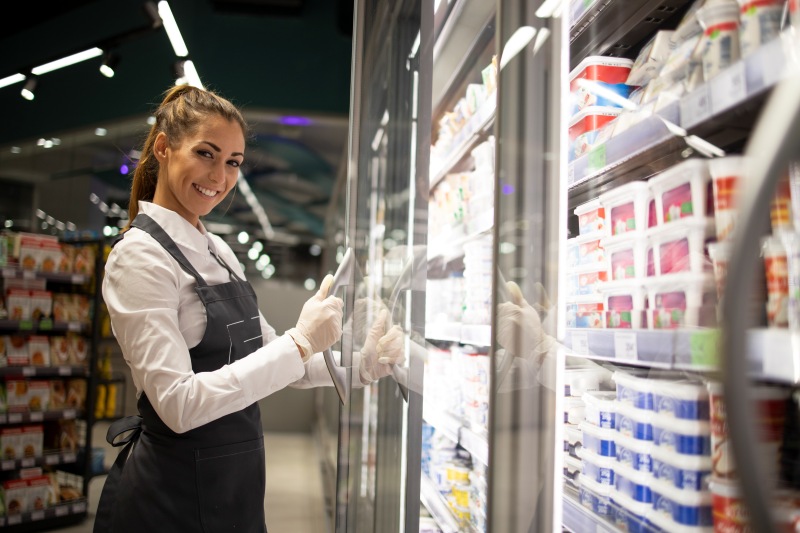
Since different cold-storage facilities are designed for different product and handling requirements. An important thing to keep in mind that maintaining product temperature and reducing product temperature are different requirements.
If frozen food arrives at the required condition, the facility primarily needs to maintain it during receiving, storage and dispatch. If product arrives warmer and needs its temperature reduced, pre-cooling, blast chilling or blast freezing may be required.
The provider should therefore be assessed against what the product needs when it arrives, rather than only the temperature displayed for the storage chamber.
| Cold Storage Type | Typical Applications | What to Assess |
|---|---|---|
| Chilled Storage | Dairy, processed food, fresh food and other chilled products | Required temperature, humidity where relevant, airflow and handling frequency |
| Frozen Storage | Frozen food, seafood, meat and frozen ingredients | Incoming product condition, staging, defrost and temperature recovery |
| Pre-Cooling | Fruits, vegetables and other fresh produce | Incoming temperature, cooling method, volume and cooling time |
| Blast Chilling / Freezing | Processed food requiring rapid temperature reduction | Batch size, pull-down time and refrigeration capacity |
| Controlled-Atmosphere Storage | Selected horticultural produce | Commodity suitability, humidity and expected storage period |
| Multi-Temperature Storage | Retail, QSR, foodservice, distributors and 3PL operations | Zone separation, SKU movement, staging and throughput |
| Controlled Temperature Pharma Storage | Temperature-sensitive medicines and biological products | Mapping, monitoring, calibration, segregation, FEFO and excursion procedures |
he Available pallet positions shared can show you how much a warehouse can store, but it does not show how much it can receive, handle and dispatch during peak periods.
For example: A facility with 5,000 pallet positions may work well for a business holding a small number of full-pallet SKUs for several weeks, however the same facility would not be suitable for a more bulk operation consisting of multiple batches and expiry dates, requiring frequent picking and a concentrated morning dispatch. If you have higher quantities then you should assess the following factors:
Asking questions like:
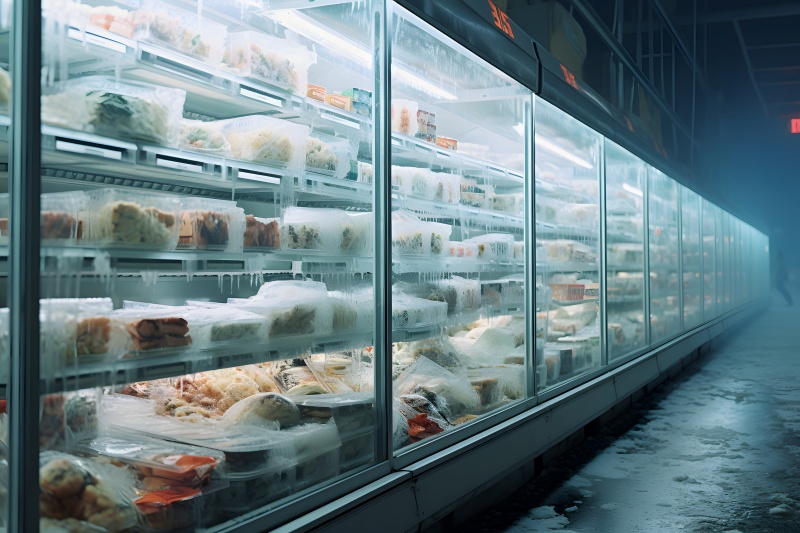
Cold storage also should be evaluated within the wider product movement. A lower storage tariff may be less attractive if the location adds reefer distance and vehicle time to every inbound and outbound movement. The same applies to responsibility between transport and warehousing. Location should therefore be evaluated against transport requirements, service timelines and the points the product needs to reach next.

Commercial Evaluation The storage tariff is only one part of the cost. Depending on the contract, the final bill may also include:
It is pertinent to apply the same operating profile to each shortlisted provider. Let’s say the business normally holds 2,500 pallets, reaches 3,200 during peak periods and has regular inbound, outbound and picking activity, the same volumes can be priced by each vendor. This provides an expected operating cost rather than a comparison based only on the rate per pallet. Any material difference in transport cost caused by warehouse location should be included in the same evaluation. This gives procurement a more accurate commercial question: What will it cost to run our operation through this facility?
Cold storage forms one part of a temperature-sensitive supply chain. Product still needs to arrive in the required condition, move through storage and continue through distribution.
Transworld provides refrigerated warehousing for temperature-sensitive goods as part of its wider logistics offering, connecting storage with transportation, inventory management, cross-docking and distribution services.
For teams, this allows the requirement to be considered across the full movement: Inbound Transport → Cold Storage → Inventory Handling → Distribution
This is particularly relevant where separate providers would otherwise create additional handovers between transport, warehousing and onward distribution. If you are reviewing cold-storage options for food, pharma or other temperature-sensitive products, Transworld can help assess the warehousing, transportation and distribution requirement together, with the solution planned around the product and the way it needs to move.
Temperature, capacity and rate can establish whether a cold-storage provider belongs on the shortlist. The final decision should consider product fit, warehouse performance, temperature control, failure response, location, transport and the full operating cost. That is the difference between buying available cold-storage space and selecting a facility that can support the operation.