Back
Back
Back
Back
Back
Back
Back
Back
Back
Back
Back
Back
Back
Back
Back
Back
Update : July 28, 2026
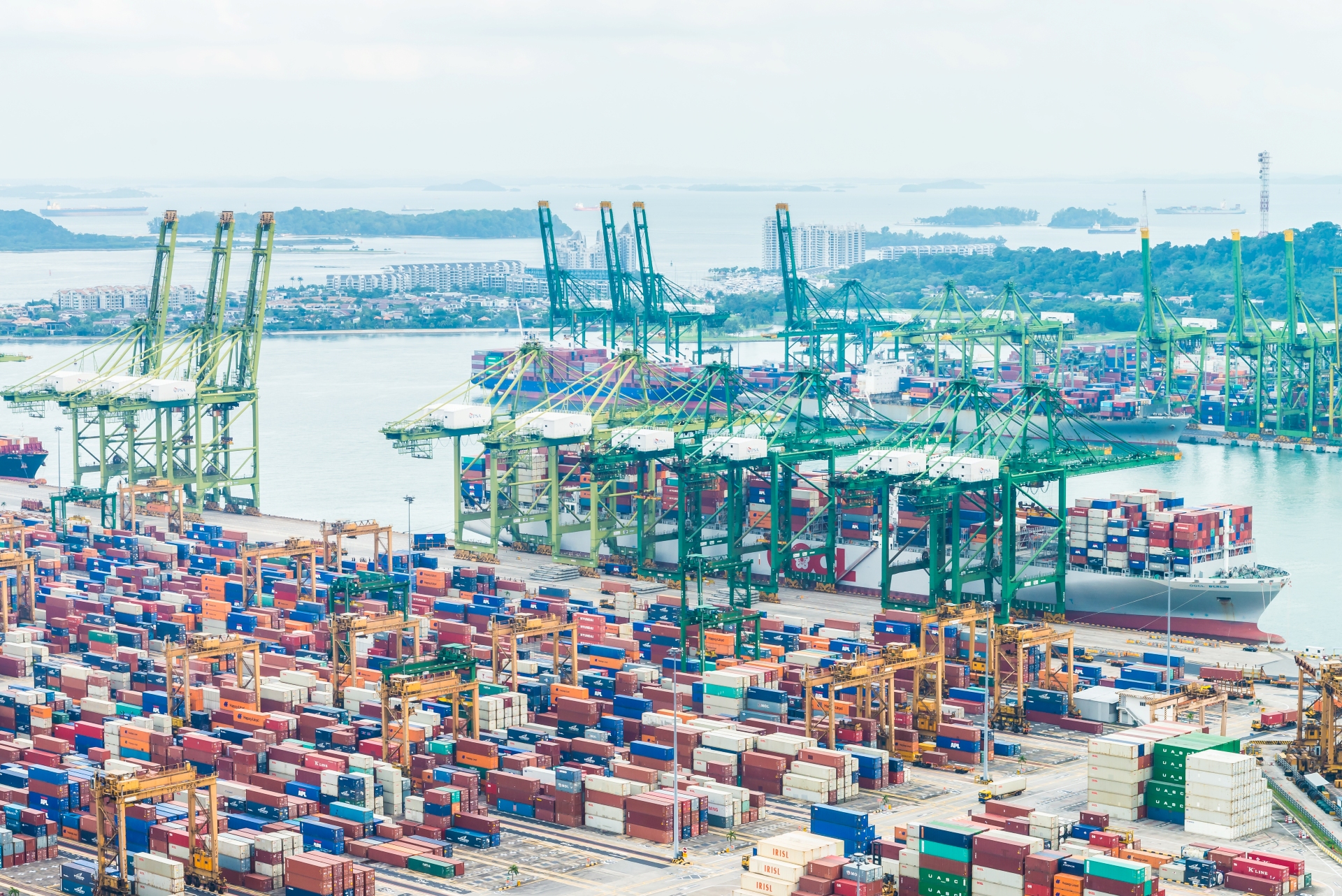
If you feel like your supply chain has become significantly more difficult to manage over the last few months, you are not alone. As of mid-July 2026, the global shipping industry is facing its most severe congestion levels in four years. According to data from the maritime consultancy Linerlytica, nearly 11% of the world’s container fleet is currently sitting at anchor, waiting for a berth. This adds up to about 3.4 million containers effectively stuck in queues from Shanghai to Rotterdam. The impact is rippling through every major trade lane. For businesses in India and beyond, this is not just a scheduling delay. It is a genuine operational challenge that affects your budget, your inventory, and your ability to serve your customers on time.
The current disruption is a domino effect often called vessel bunching. Because of ongoing regional tensions, many ships are taking the longer route around the Cape of Good Hope. This adds 10 to 14 days to a standard trip, disrupting the rhythm of global arrivals.
In the Indian context, this global friction is compounded by two acute local crises:• Monsoon Disruptions: The current monsoon season is intermittently suspending terminal operations on the West Coast, drastically slowing down crane productivity and truck turnaround times.
• The Rail-Port Interface Crisis: At major gateways like Mundra, rail-port interface failures are causing severe bottlenecks. Container train operators (CTOs) are facing a crisis due to rake underloading and significant pendency—a disruption currently costing the logistics industry over Rs 4 Crore per month in avoidable wagon fees.
When ships that were meant to arrive days apart show up in large clusters, terminal infrastructure simply cannot process the influx. In hubs like Nhava Sheva (JNPT) and Mundra, yard density has frequently crossed 90%. This creates a secondary bottleneck that keeps containers stagnant for 7 to 9 days, compared to the 3 to 4 days common in previous years.
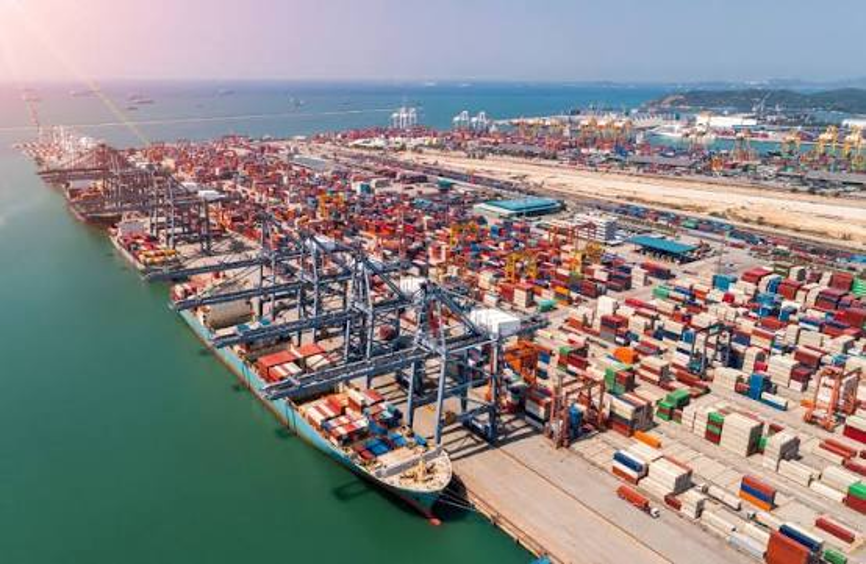
For most companies, these delays act as a drain on cash flow. When your inventory is stuck at anchor or in a yard, your capital is effectively frozen. This leads to three measurable financial risks:

You cannot control global shipping schedules, but you can control how your business reacts to them. At Transworld, we act as a strategic partner to keep your goods moving when standard routes fail.

The current congestion cycle is likely to continue through the peak season. Businesses that perform best this year will be those that plan for disruption instead of relying on normal transit times. While the environment remains challenging, building extra buffer into your plans and working with the right logistics partners can help you avoid bottlenecks and stay ahead. If you are looking to streamline your supply chain, feel free to reach out to our team at Transworld. We specialize in finding routes and storage solutions that keep your business moving.