Back
Back
Back
Back
Back
Back
Back
Back
Back
Back
Back
Back
Back
Back
Back
Back
Update : June 05, 2026
For decades, the journey of a vegetable from farm to dinner plate was a race against time—and one that was frequently lost. Fresh produce is inherently highly perishable. Mechanical damage, heat exposure, and moisture fluctuations traditionally meant that a staggering percentage of harvested vegetables rotted long before reaching retail shelves. This reality depressed farmer incomes, inflated consumer prices, and severely exacerbated global food waste problems.
Today, a quiet technological revolution is fundamentally altering this landscape: advanced cold storage infrastructure. By replacing fragmented logistics networks with continuous, temperature-controlled environments, innovators are stabilizing the food supply chain from the ground up.
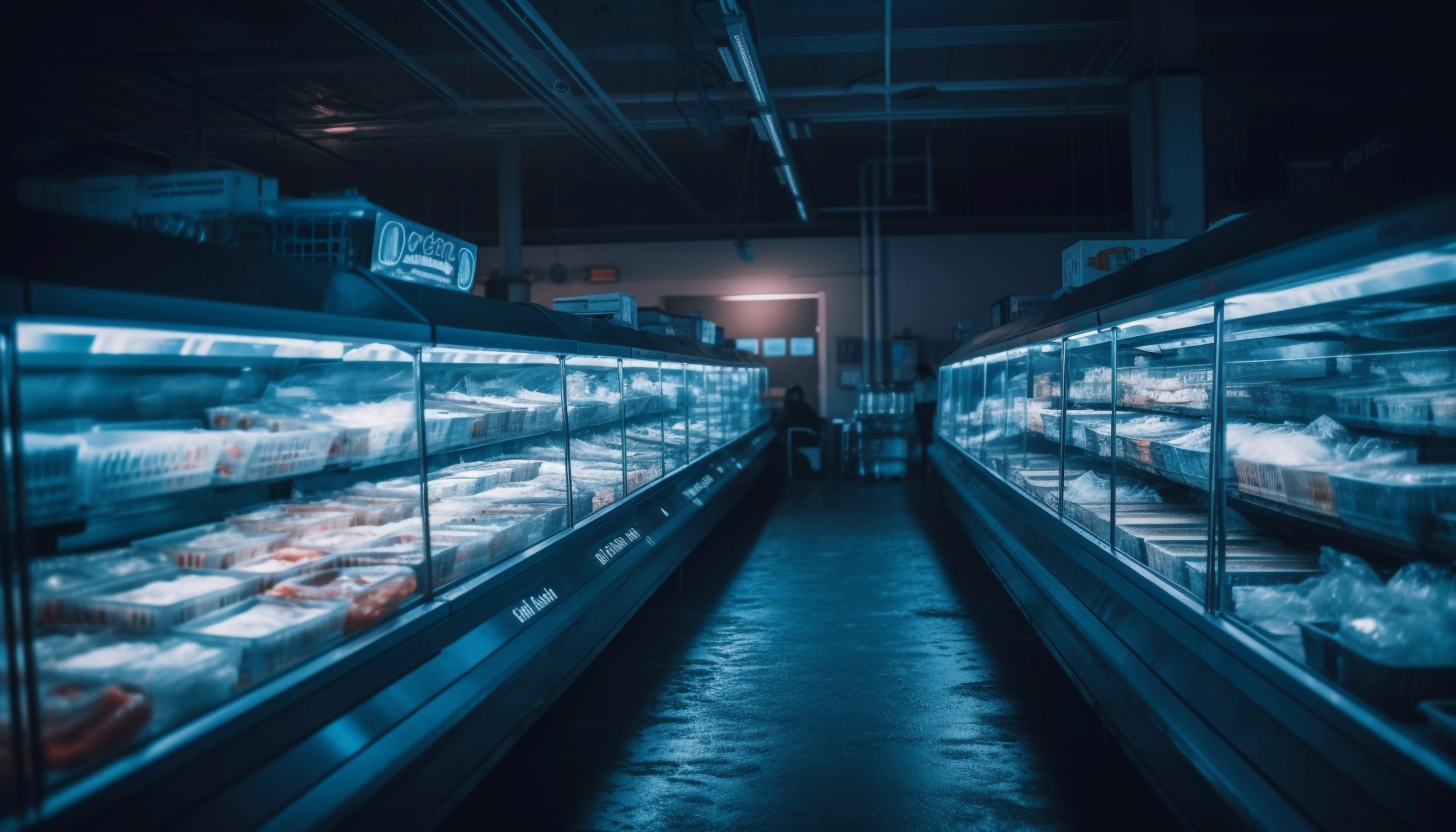
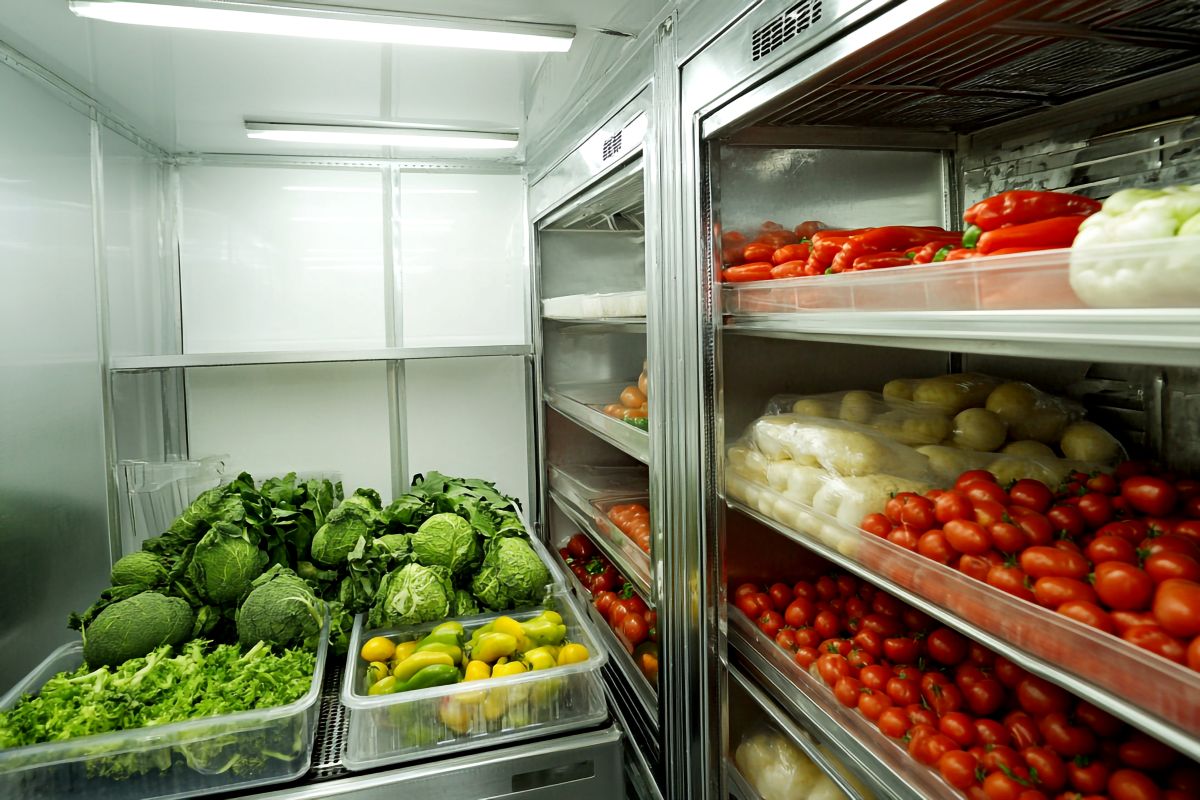
Cold storage is no longer just about static, refrigerated warehouses. Modern supply chain strategy relies on an unbroken "cold chain"—a seamless network of temperature-controlled environments that encompasses pre-cooling facilities at the farm, refrigerated transit vehicles, distribution hubs, and retail storage units.
When vegetables are harvested, they continue to respire and generate heat. Quick pre- cooling immediately after harvest rapidly drops the internal temperature of the produce, drastically slowing down metabolic degradation and microbial growth. By preserving the vegetable's structural integrity early, its shelf life can be extended by days, or even weeks depending on the variety.
Implementing an end-to-end cold chain requires significant capital, advanced logistics orchestration, and state-of-the-art telemetry. Global logistics leaders like Transworld have stepped in to bridge this infrastructure gap. By combining specialized multi-temperature shipping containers, automated warehouses, and real-time IoT monitoring tracking, Transworld ensures that sensitive fresh produce remains in its optimal microclimate throughout its entire cross-border or domestic journey.
With smart sensors, logistics managers can monitor temperature variations to the fraction of a degree. If a refrigerated container experiences a technical hiccup on the road, automated alerts allow operators to intervene before the cargo is compromised. This level of precision mitigates financial risk for growers and ensures consistent quality for distributors.
The transformation of the vegetable supply chain yields profound benefits that extend far beyond fresher grocery aisles:
As the global population climbs and the demand for nutritious, fresh food intensifies, cold chain infrastructure will shift from a competitive advantage to an absolute necessity. Driven by the technological advancements and multi-modal capabilities of pioneers like Transworld, the vegetable supply chain is shedding its historical inefficiencies. The future of food logistics is cold, connected, and incredibly resilient.