

 Back
Back
Back
Back
Back
Back
Back
Back
Back
Back
Back
Back
Back
Back
Back
Back
Update : July 4 , 2025
India’s 7,500 km coastline has long been a gateway for trade, connecting the nation to global markets. However, despite this strategic advantage, coastal logistics has historically remained underutilised. That is now changing with the Government of India’s ambitious Sagarmala Programme, which is redefining the country’s maritime sector and positioning coastal shipping as a powerful engine of economic growth.
Launched in 2015, Sagarmala is the government’s flagship initiative to promote port-led development. It aims to modernise ports, integrate them with industrial clusters, and enhance connectivity through coastal shipping and inland waterways.
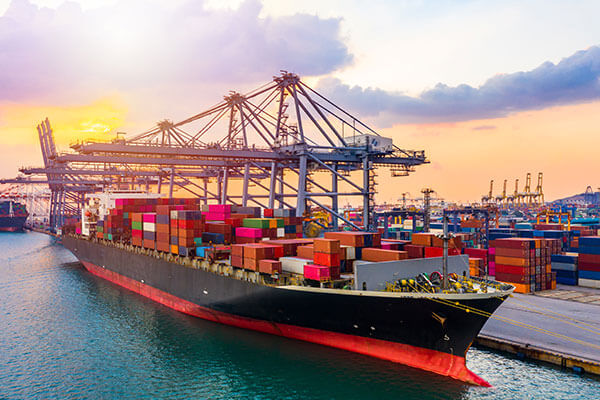
India’s logistics cost currently accounts for 13-14% of GDP, higher than many developed economies. Sagarmala promotes coastal shipping as a cost-effective alternative to congested road and rail networks, enabling businesses to transport bulk and container cargo at 30-40% lower costs.
Massive investments under Sagarmala have expanded port capacities, improved operational efficiency, and reduced turnaround time. For instance, major ports now handle increasing container throughput with better mechanisation, driving faster cargo movement.
Sagarmala envisions 14 CEZs along the coastline to boost manufacturing and EXIM trade. These zones integrate ports with industries such as petrochemicals, steel, food processing, and shipbuilding, creating employment and enhancing regional economies.
By shifting cargo movement from road to coastal routes, Sagarmala significantly reduces carbon emissions. Coastal shipping is not only cost-efficient but also environmentally sustainable, aligning with India’s decarbonisation goals.
Projects under Sagarmala focus on enhancing connectivity between ports and hinterlands through dedicated freight corridors, rail lines, and inland waterways. This seamless multimodal integration accelerates supply chain efficiency.
For logistics and shipping companies Sagarmala unlocks vast opportunities:
By 2025, Sagarmala aims to: Save INR 35,000-40,000 crore per annum in logistics costs Enable cargo movement of over 250 million tonnes via coastal shipping annually Create 10 million jobs through port-led industrialisation

Sagarmala is more than an infrastructure initiative; it is a transformative vision to unlock India’s maritime potential, boost economic growth, and integrate the country into global supply chains more competitively. For logistics leaders, it is a call to innovate, invest, and align services with the emerging coastal economy.
At Transworld Group, with our deep expertise in shipping, ports, and integrated logistics, we are proud to support India’s journey towards becoming a leading maritime nation under the Sagarmala mission. Let’s build the future of coastal logistics together. Contact us today to explore how Transworld Group can support your coastal shipping and logistics needs.

 Back to Blogs