Back
Back
Back
Back
Back
Back
Back
Back
Back
Back
Back
Back
Back
Back
Back
Back
Update : Feb 25, 2026
The hum of engines and the sight of cargo trucks stretching across highways have long defined the transport industry. However, in 2026, the real engine of growth isn't just found under a hood—it’s embedded in the data and algorithms of smart logistics. Far from being a mere back-office function, logistics has emerged as the strategic brain of modern transportation, redefining the limits of efficiency, speed, and reliability.
For decades, transport was viewed as a "brute-force" operation: moving goods from point A to point B. Today, that simple mandate is wrapped in layers of complexity driven by global supply chain shifts, e-commerce demands, and the relentless pursuit of customer satisfaction. Smart logistics has transformed these challenges into competitive advantages through several key pillars.
Gone are the days of paper maps and static routes. Modern logistics leverages sophisticated AI algorithms that process real-time traffic data, weather patterns, and port congestion. This doesn't just mean avoiding traffic jams; it means calculating the most fuel-efficient paths, minimizing "empty miles," and reducing the environmental footprint. In 2026, predictive routing can even anticipate potential disruptions before they occur, allowing fleets to pivot instantly and maintain delivery schedules.
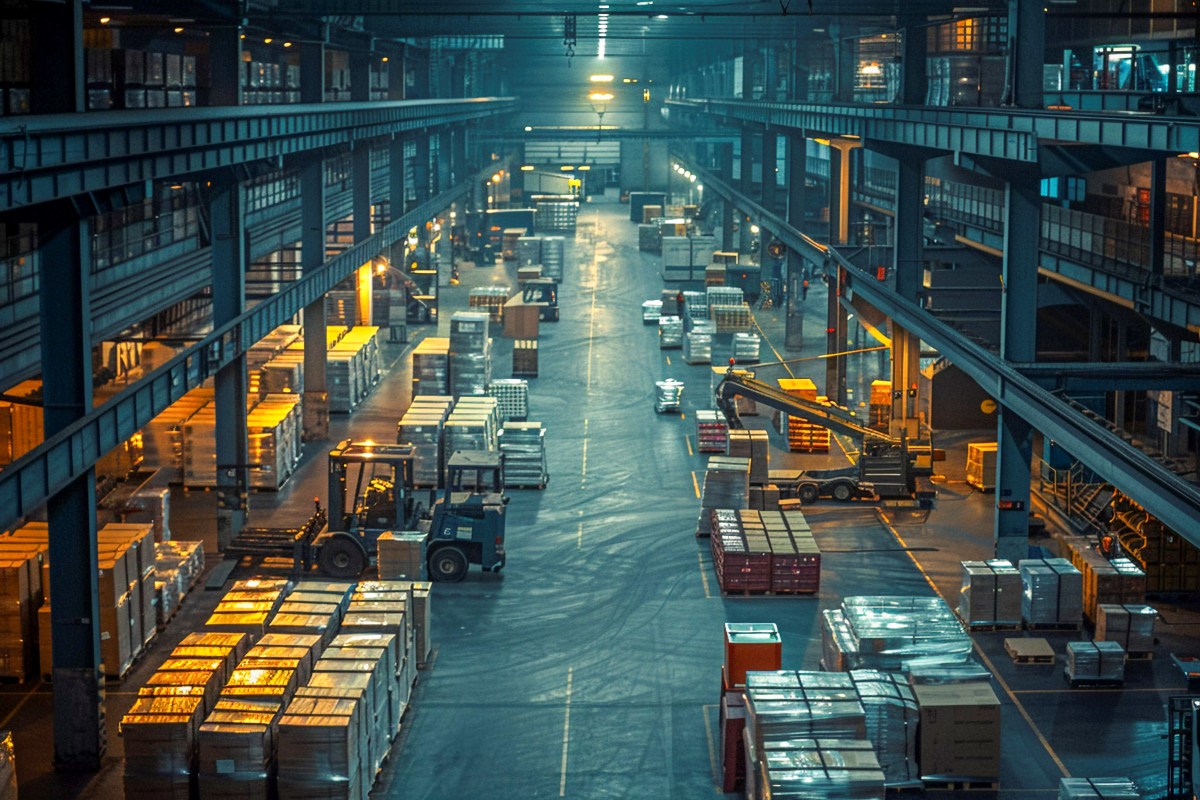
The efficiency of transport is often won or lost in the warehouse. Smart logistics integrates seamlessly with Inventory Management Systems (IMS), ensuring that warehouses are optimized for rapid-fire loading and unloading. With the rise of the Internet of Things (IoT), sensors now track every pallet, reducing the need for expensive expedited shipping. By predicting demand more accurately, companies can turn storage expenses into strategic assets, ensuring the right goods are always in the right place at the right time.
One of the greatest shifts in recent years is the transition from "black box" shipping to total transparency. Customers and businesses now demand real-time visibility. Modern logistics provides this through digital waypoints and automated alerts. This visibility builds trust and allows for proactive problem-solving. If a shipment is delayed due to a storm, the system automatically notifies the recipient and suggests an alternative fulfillment plan, turning a potential crisis into a managed solution.

Sustainability is no longer a choice; it is a requirement. Smart logistics is the primary tool for achieving carbon-neutral goals. By consolidating shipments and utilizing intelligent warehouse energy management, the industry is significantly lowering its carbon emissions. The strategic deployment of electric vehicle (EV) fleets, guided by logistics software that optimizes charging stops and load weights, is paving the way for a greener, more responsible future for global trade.
The vast amount of data collected through modern logistics systems provides a goldmine of insights. By analyzing historical performance, transport companies can identify bottlenecks, optimize fleet maintenance schedules, and improve driver safety protocols. This data-driven approach moves the industry away from "guessing" and toward a model of continuous improvement and surgical precision.

The global landscape is increasingly volatile. From geopolitical shifts to natural disasters, the ability to be agile is paramount. Smart logistics systems act as a "crystal ball," helping companies identify alternative routes and secondary suppliers in seconds. This resilience ensures that the flow of commerce remains steady, even when traditional paths are blocked. As we look toward the future, it is clear that the transport industry is no longer just about movement; it is about intelligent movement. As technology continues to evolve, the integration of AI, IoT, and autonomous systems will only deepen. Companies like Transworld are at the very heart of this transformation. With over four decades of expertise, Transworld has evolved into a global shipping and logistics conglomerate that balances a rich legacy with cutting-edge innovation. From their "Innovation in Motion" philosophy to their commitment to becoming a carbon-neutral organization by 2043, Transworld exemplifies how smart logistics can bridge the gap between traditional transport and a high-tech, sustainable future. By leveraging these advanced solutions, Transworld continues to navigate global complexities, ensuring that the road ahead is smarter, faster, and more connected than ever before.