Back
Back
Back
Back
Back
Back
Back
Back
Back
Back
Back
Back
Back
Back
Back
Back
Update : Aug 7, 2024
India's coastline, stretching over 7,500 kilometers, is a vital economic asset, fostering a rich maritime heritage. The coastal shipping industry, often overshadowed by its deep-sea and inland counterparts, is poised to become a pivotal player in India's economic landscape. This blog delves into the current state, potential, and future of the coastal shipping industry in India, with a spotlight on the contributions of Transworld Group's Shreyas Shipping & Logistics Limited.
Coastal shipping refers to the movement of goods and passengers along the coastlines without venturing into the deep sea. In India, this mode of transport plays a crucial role in connecting various coastal states, contributing to regional economic development. However, its share in the overall transport sector remains relatively modest. The Ministry of Ports, Shipping, and Waterways has been implementing several initiatives to boost the sector. These include policy reforms, infrastructural investments, and incentives for using coastal routes. Despite these efforts, the industry faces challenges such as inadequate port infrastructure, regulatory hurdles, and competition from road and rail transport.
Economic Efficiency: Coastal shipping offers a cost-effective alternative to road and rail transport. It is particularly advantageous for transporting bulk commodities such as coal, iron ore, and petroleum products. By reducing logistics costs, coastal shipping can enhance the competitiveness of Indian industries.
Decongesting Land Transport: By diverting cargo from congested highways and rail networks, coastal shipping can alleviate traffic congestion and reduce wear and tear on infrastructure. This can lead to lower maintenance costs and improved efficiency in the overall transport network.
Boosting Regional Economies: Coastal shipping can stimulate economic growth in coastal regions by improving connectivity and facilitating trade. Ports can become hubs of economic activity, attracting investment and generating employment opportunities.
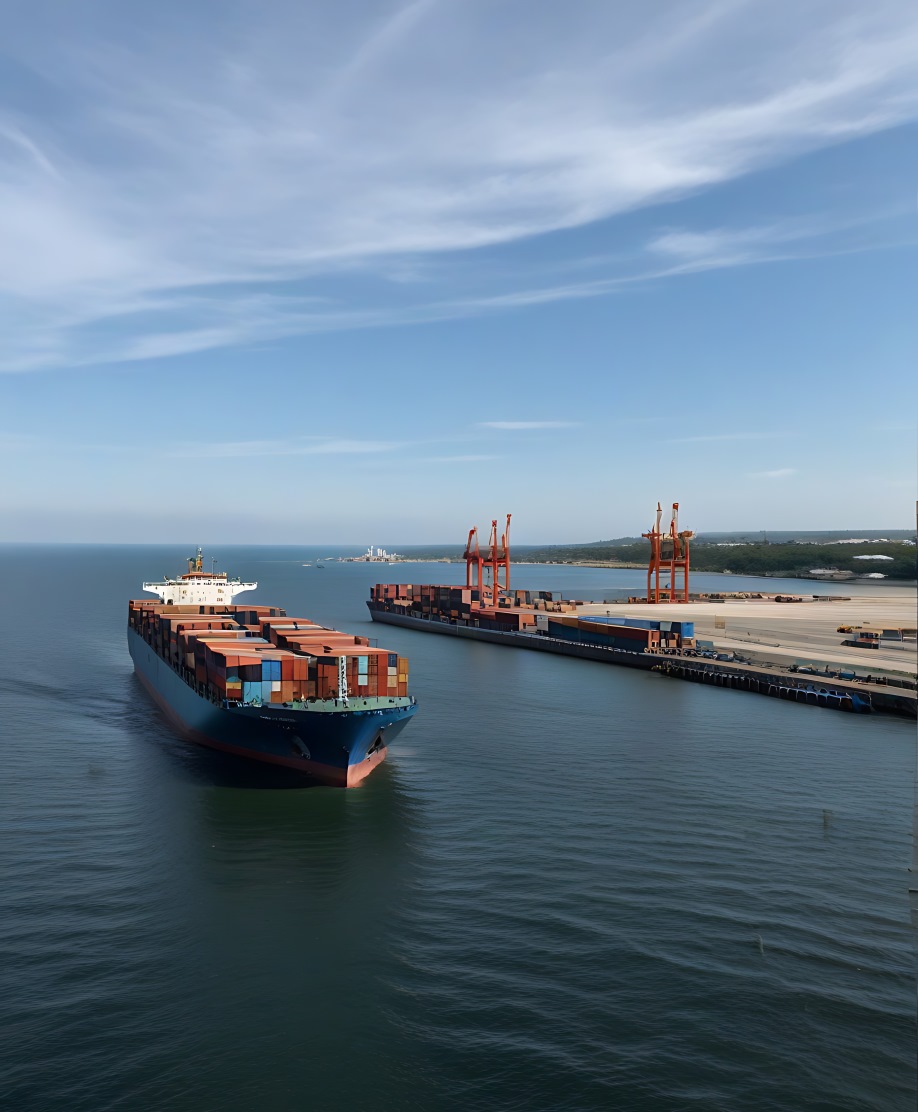
Sagarmala Project: Launched in 2015, the Sagarmala project aims to modernize India's ports, enhance port connectivity, and promote coastal shipping. Under this project, several port modernization and capacity enhancement projects are underway.
Relaxation of Cabotage Rules: In 2018, the government relaxed cabotage rules, allowing foreign-flagged vessels to operate on coastal routes. This move has increased the availability of vessels and reduced shipping costs.
Incentives and Subsidies: : Various financial incentives and subsidies have been introduced to encourage the use of coastal shipping. These include discounts on port charges, priority berthing, and financial support for the development of coastal shipping infrastructure.
Transworld Group’s Shreyas Shipping & Logistics Limited has been at the forefront of the coastal shipping industry in India. As a pioneer and leader in the sector, Shreyas Shipping has consistently demonstrated the economic and environmental benefits of coastal shipping.
Innovative Services: Shreyas Shipping offers a range of innovative services that enhance the efficiency of coastal shipping. These include containerized cargo movement, seamless multimodal transport solutions, and value-added logistics services.
Strategic Partnerships: By forging strategic partnerships with key stakeholders, including port authorities, logistics providers, and shippers, Shreyas Shipping has created a robust ecosystem that supports the growth of coastal shipping.
Sustainable Practices: Shreyas Shipping is committed to sustainability. The company adopts green shipping practices, such as using energy-efficient vessels and optimizing route planning to reduce fuel consumption and emissions.
The coastal shipping industry in India is on the cusp of a transformative journey. To fully realize its potential, a concerted effort from all stakeholders is essential. Here are some key areas that need attention:
Infrastructure Development: Continued investment in port infrastructure, including the development of dedicated coastal berths, warehouses, and multimodal logistics parks, is crucial.
Regulatory Reforms: Streamlining regulatory procedures and reducing bureaucratic hurdles can create a more conducive environment for coastal shipping operations.
Skill Development: Investing in the training and development of the workforce is vital to ensure the availability of skilled personnel to operate and manage coastal shipping services.
Technological Adoption: Embracing digital technologies and automation can enhance the efficiency and reliability of coastal shipping operations. This includes the use of advanced navigation systems, real-time tracking, and data analytics.
The coastal shipping industry in India holds immense promise. By leveraging its economic and environmental advantages, it can become a cornerstone of India's logistics and transport sector. With the right mix of policy support, infrastructural investments, and technological advancements, the coastal shipping industry is set to navigate a prosperous future, contributing significantly to India's economic growth and sustainable development.
Transworld Group, through Shreyas Shipping & Logistics Limited, is committed to supporting and driving the growth of the coastal shipping sector. By continuously innovating and adhering to sustainable practices, Shreyas Shipping is not only setting benchmarks in the industry but also contributing to the vision of a more connected and environmentally responsible India. We are optimistic about the future and look forward to playing a pivotal role in this exciting journey.