Back
Back
Back
Back
Back
Back
Back
Back
Back
Back
Back
Back
Back
Back
Back
Back
Update : June 26, 2026
The global supply chain landscape is undergoing a massive paradigm shift. Driven by recent geopolitical uncertainties, fluctuating market demands, and rapid technological breakthroughs, the traditional, siloed approach to logistics is no longer viable. Today, managing warehousing, ocean freight, and last-mile delivery as isolated operations leads to costly bottlenecks and visibility gaps.
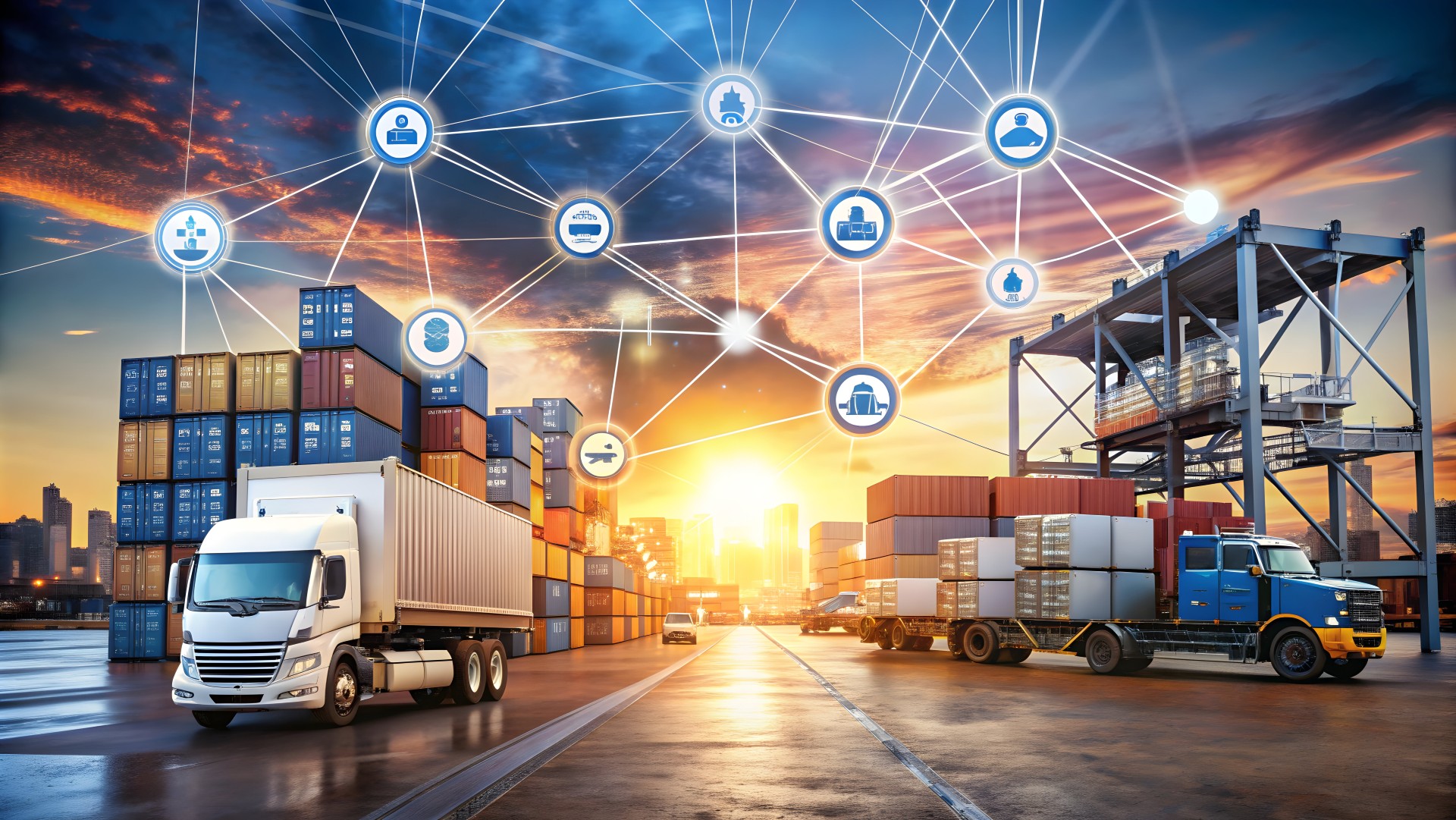
To thrive, businesses are transitioning to integrated logistics—a holistic approach that unifies every node of the supply chain under a single, cohesive framework. As we look toward the future, several defining trends are shaping how goods move across the globe.
Artificial Intelligence (AI) and Machine Learning (ML) have evolved from aspirational tech buzzwords into the foundational backbone of modern supply chains. The future belongs to predictive logistics. Rather than reacting to disruptions after they occur, companies are using AI to analyze massive datasets, spot shifting demand signals, and foresee potential bottlenecks before they happen
A critical tool accelerating this integration is the Logistics Control Tower. By centralizing data streams from suppliers, ports, carriers, and warehouses, control towers offer end-to-end, real-time visibility. This allows logistics managers to switch from rigid, periodic scheduling to an exception-led, continuous planning model, adjusting shipping routes or inventory allocations on the fly.
Labor shortages and the meteoric rise of omnichannel commerce have put immense pressure on fulfillment centers. In response, smart warehousing is becoming the industry standard.
The integration of Autonomous Mobile Robots (AMRs), automated sorting systems, and Augmented Reality (AR) glasses for warehouse pickers is drastically reducing human error and increasing throughput. Crucially, these automated physical systems are being tied directly to integrated Warehouse Management Systems (WMS), ensuring that inventory levels automatically sync with downstream transportation schedules.

The old model of supply chain design prioritized lowest-unit-cost manufacturing, often concentrated in a single geographic region. Today, the focus has shifted sharply toward operational resilience.
To mitigate the risks of trade barriers, rising tariffs, and lengthy maritime transit delays, many enterprises are adopting nearshoring models. By moving production closer to primary consumer markets, supply chains become shorter, more agile, and significantly less vulnerable to global systemic shocks. This regionalization demands highly adaptable multimodal networks capable of shifting seamlessly between ocean, air, and land transportation.
Sustainability is no longer an afterthought or a mere compliance checkbox; it is a core commercial requirement. Forward-thinking businesses are integrating Environmental, Social, and Governance (ESG) goals directly into their logistics planning.
Future-ready networks achieve carbon reduction by optimizing the entire system rather than isolated parts. This includes:

As supply chains become more interconnected and complex, the need for experienced partners who possess deep operational infrastructure and digital agility is paramount. Navigating this future requires a blend of asset-heavy strength and sophisticated digital platforms.
A prime example of an organization leading this charge is Transworld Group. As a multi-faceted global shipping and logistics conglomerate with decades of experience, Transworld Group exemplifies the future of integrated logistics. With extensive capabilities spanning ship owning, multimodal ocean and air services, state-of-the-art cold chain facilities, and advanced digital platforms like Patang, they seamlessly connect the dots from origin to destination. By bridging physical assets with digital visibility, pioneers like Transworld Group are enabling businesses worldwide to transform their supply chains from vulnerable cost centers into resilient, competitive advantages.