Back
Back
Back
Back
Back
Back
Back
Back
Back
Back
Back
Back
Back
Back
Back
Back
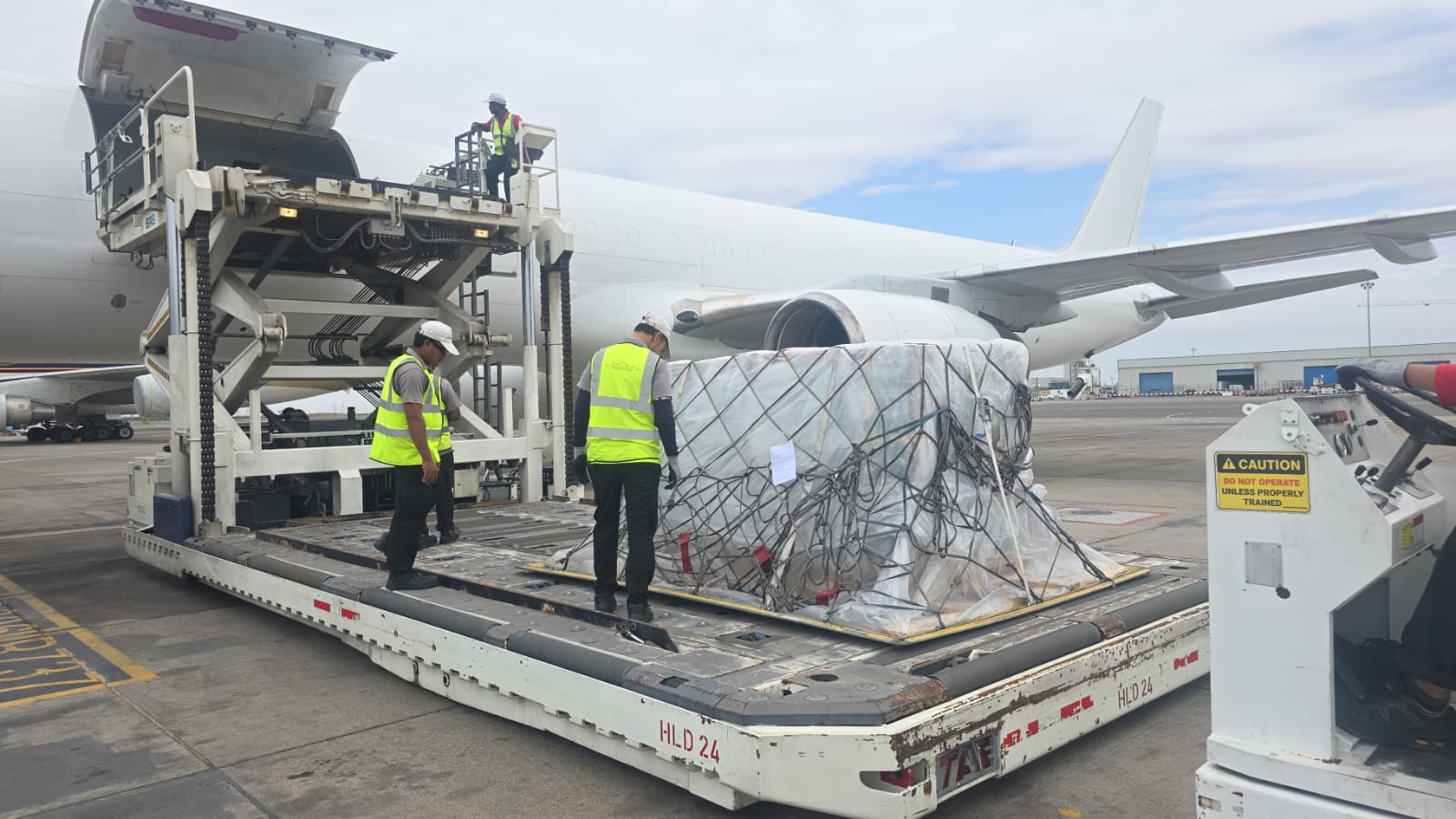
In March 2026, the ongoing Iran–United States war, which began following coordinated strikes on Iran in late February, escalated into a full-scale regional conflict impacting energy infrastructure, airspace, and critical shipping routes across the Gulf. The situation led to severe disruption in maritime logistics, particularly around the Strait of Hormuz, a vital global trade artery. Closure risks, vessel attacks, and military escalation significantly reduced shipping reliability and created immediate pressure on cargo movement into the UAE. Against this backdrop, Transworld established a dedicated Mumbai–Sharjah air charter corridor to ensure uninterrupted movement of essential cargo between India and the UAE.
The Iran–US war triggered widespread instability across Gulf logistics networks:
For the India–UAE trade lane, this translated into immediate operational challenges. The UAE, heavily reliant on imports for food and essential commodities, faced potential supply gaps as traditional sea freight became unreliable.
Transworld identified a critical gap in the market: Businesses required a logistics solution that could:
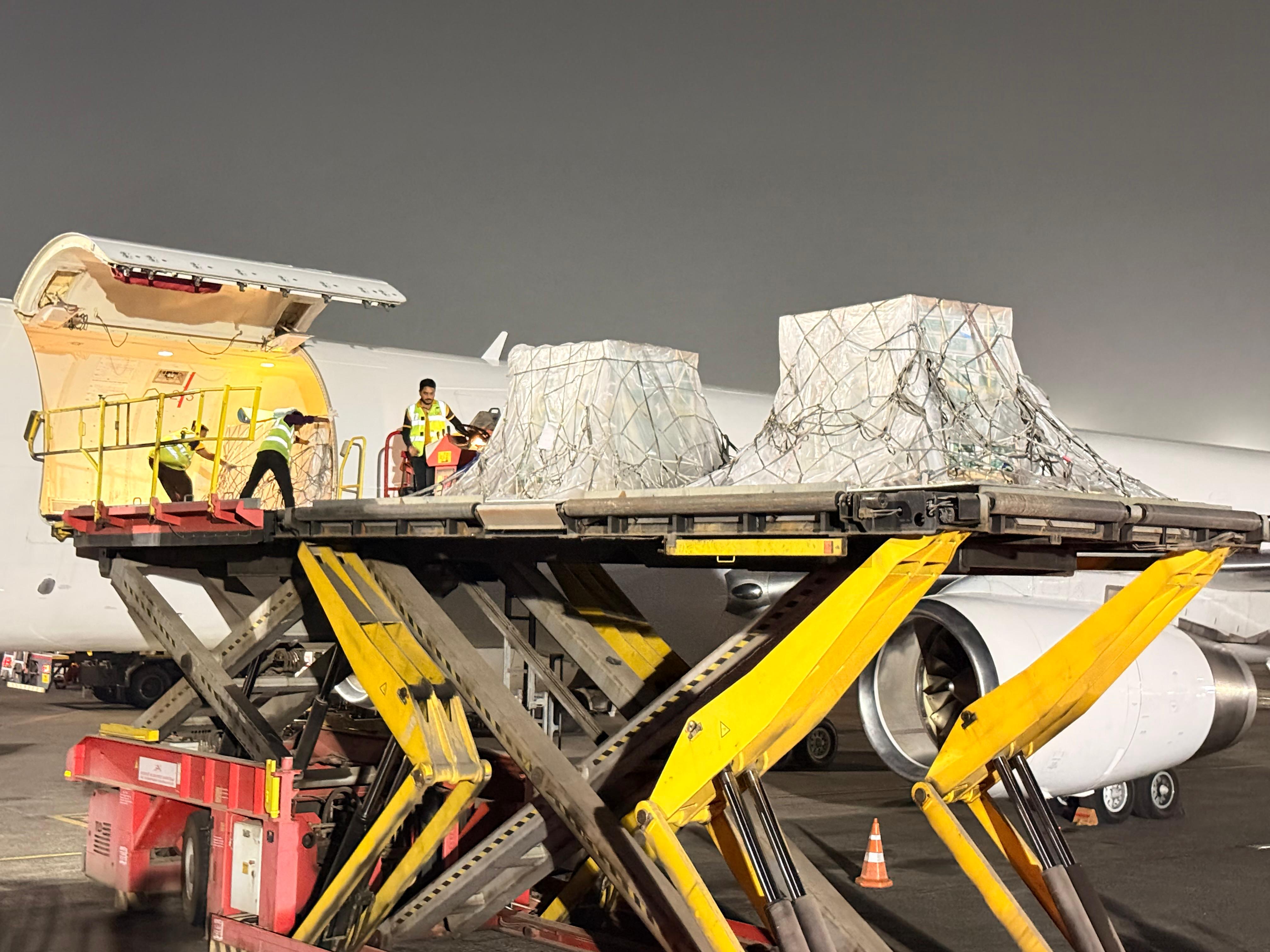
Transworld launched a dedicated air charter operation on the Mumbai–Sharjah corridor, creating a controlled logistics bridge for essential cargo movement.
Operational Configuration
This was structured as a bi-directional charter model, enabling efficient utilization of capacity on both legs while ensuring continuous flow of goods between India and the UAE.
This ensured a controlled, high-reliability movement framework during a period of widespread disruption.
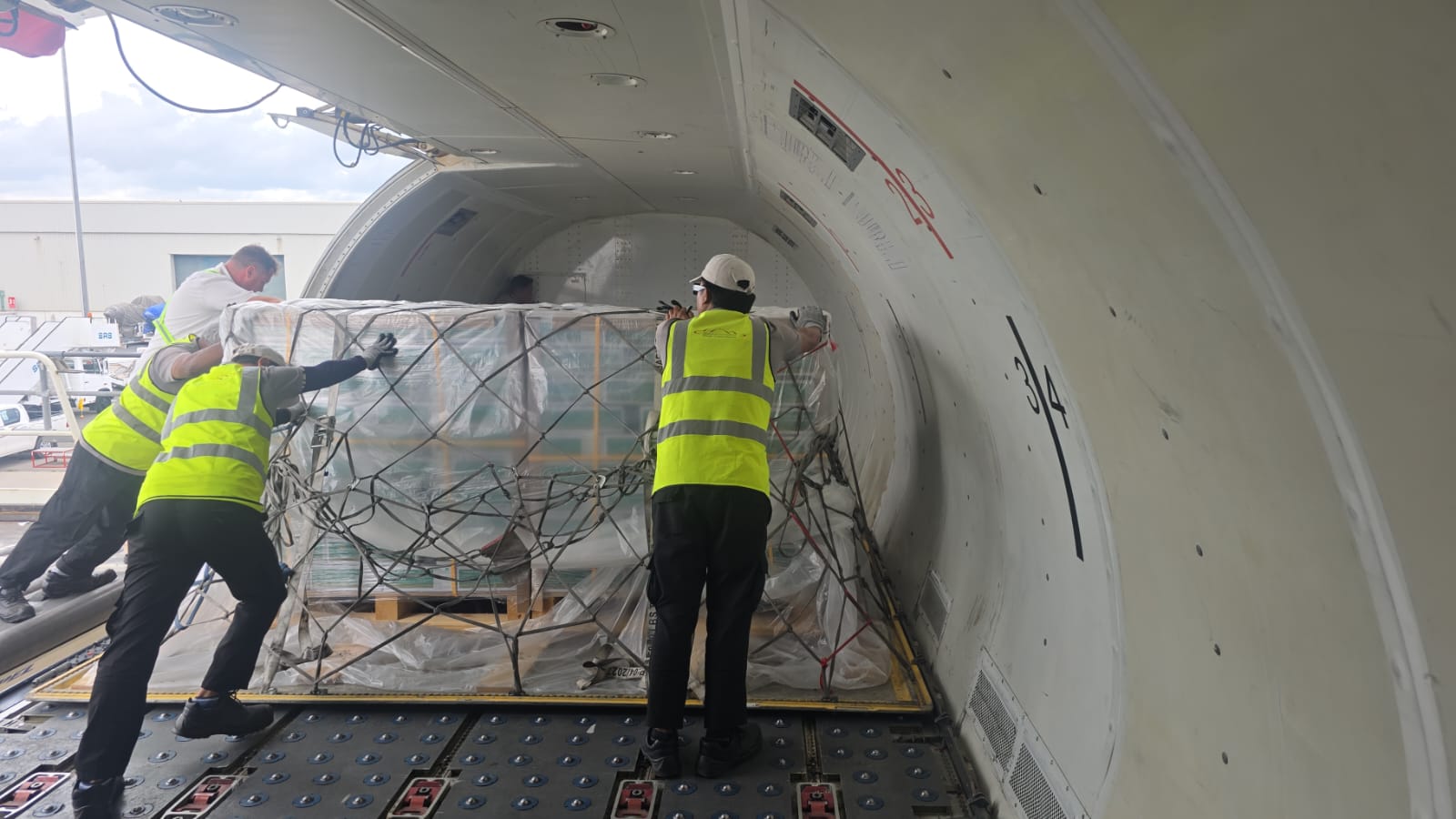
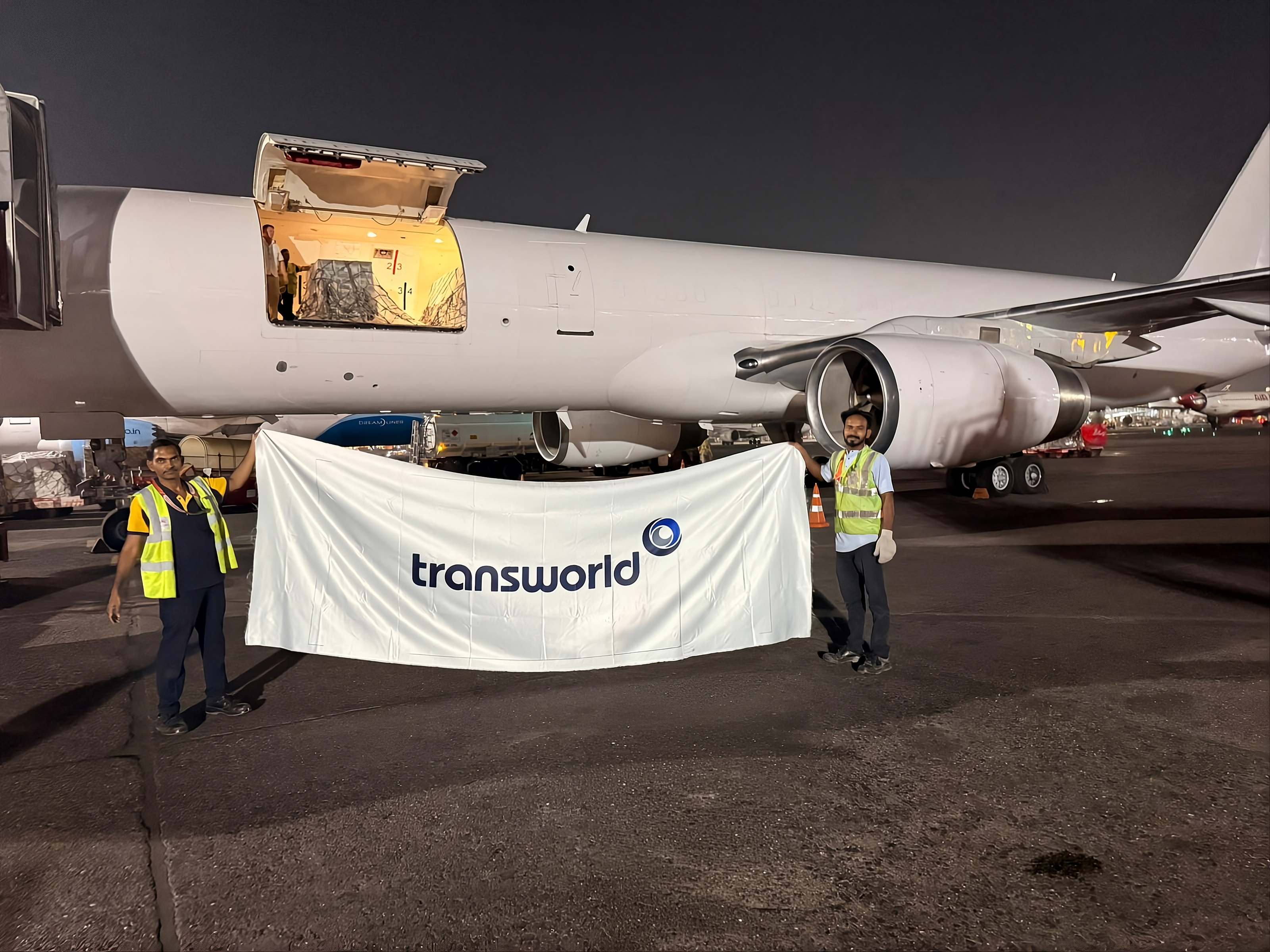
The initiative delivered immediate and measurable impact:
This initiative represents a shift from conventional freight execution to resilience-led corridor design.
During a period when:Transworld established a dedicated India–UAE air bridge to maintain trade continuity. Looking to secure your supply chain against disruption? Connect with our team at info@transworld.com to explore dedicated air charter solutions tailored to your cargo, timelines, and trade lanes.