Back
Back
Back
Back
Back
Back
Back
Back
Back
Back
Back
Back
Back
Back
Back
Back
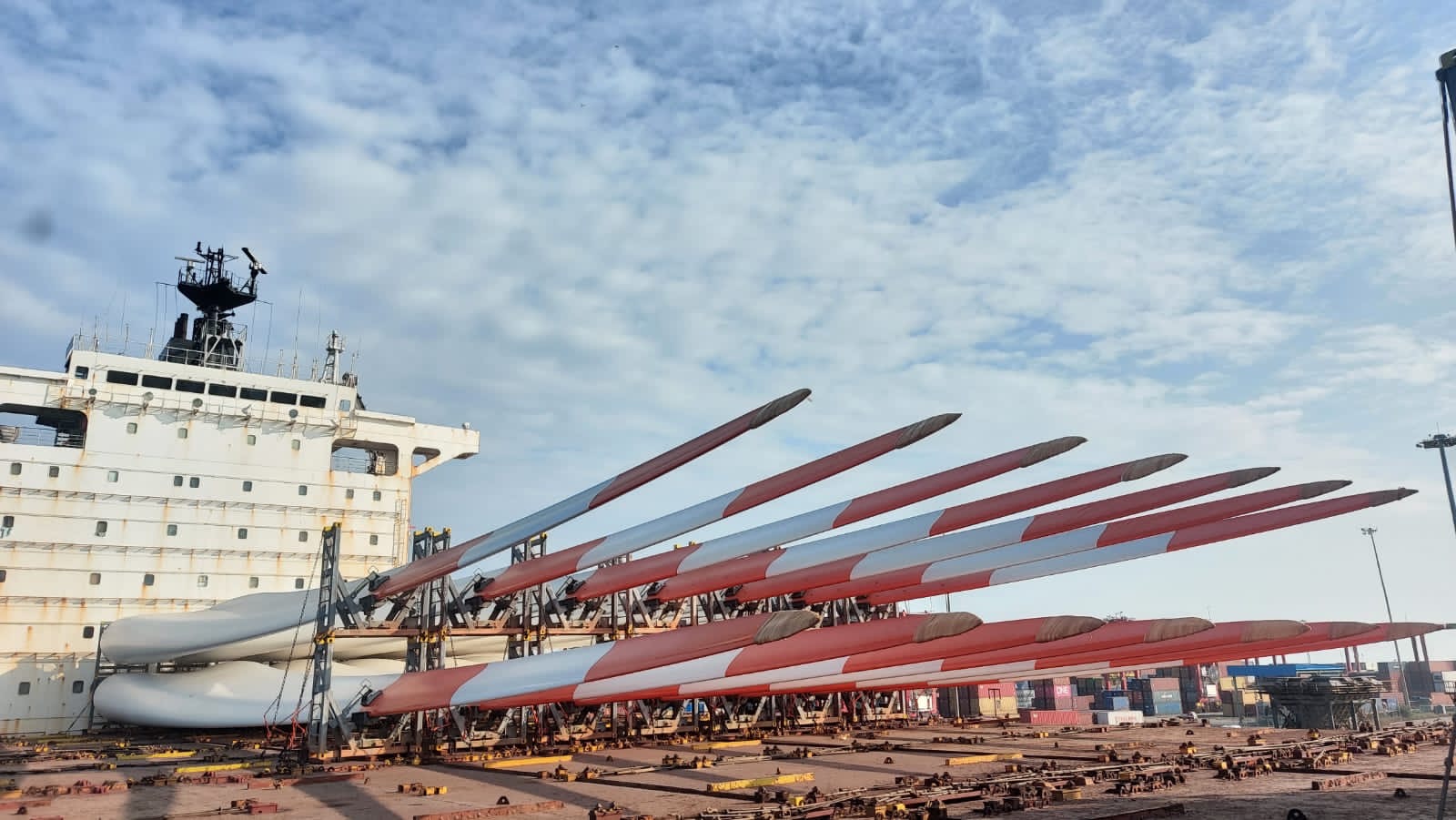
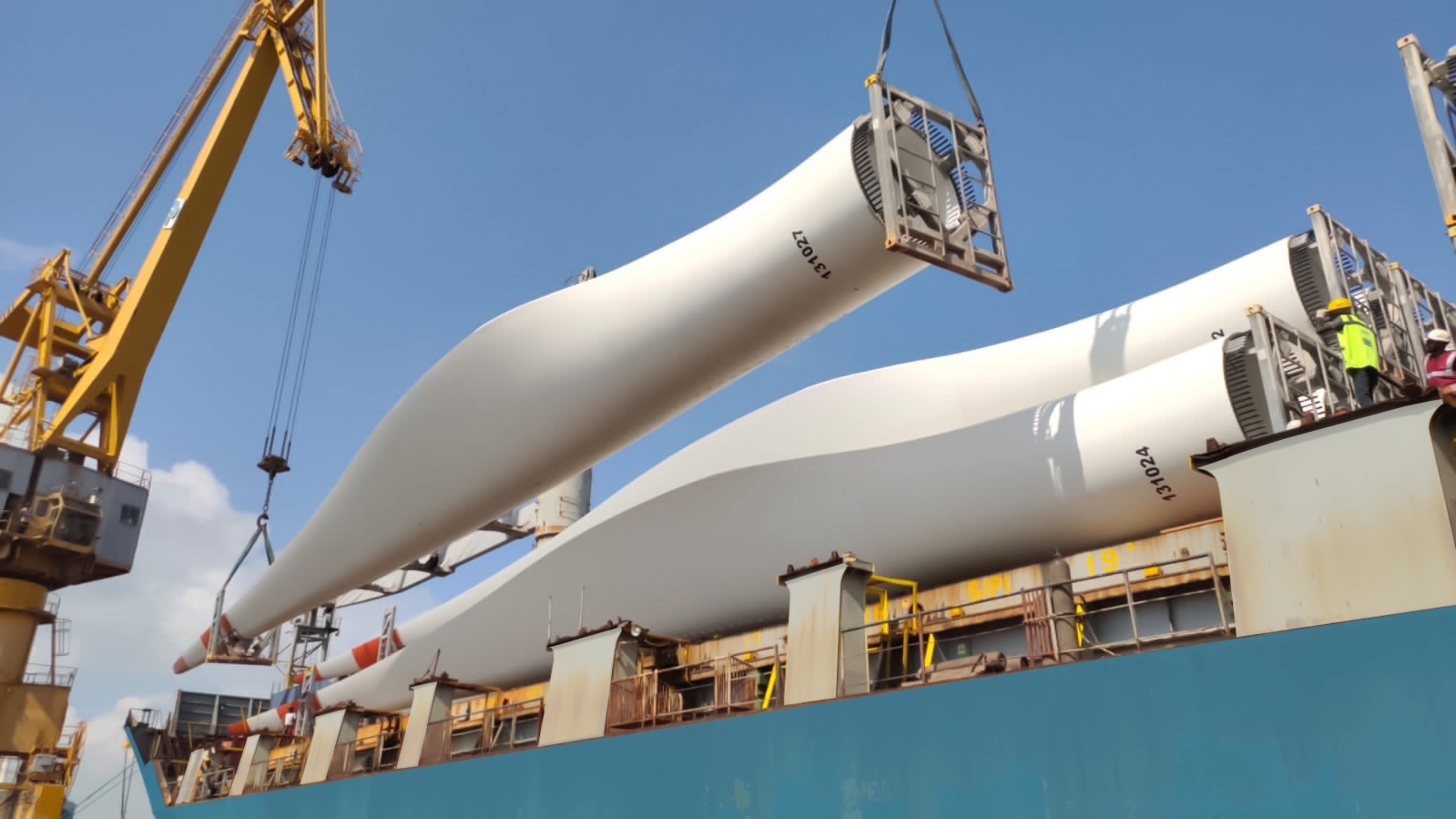
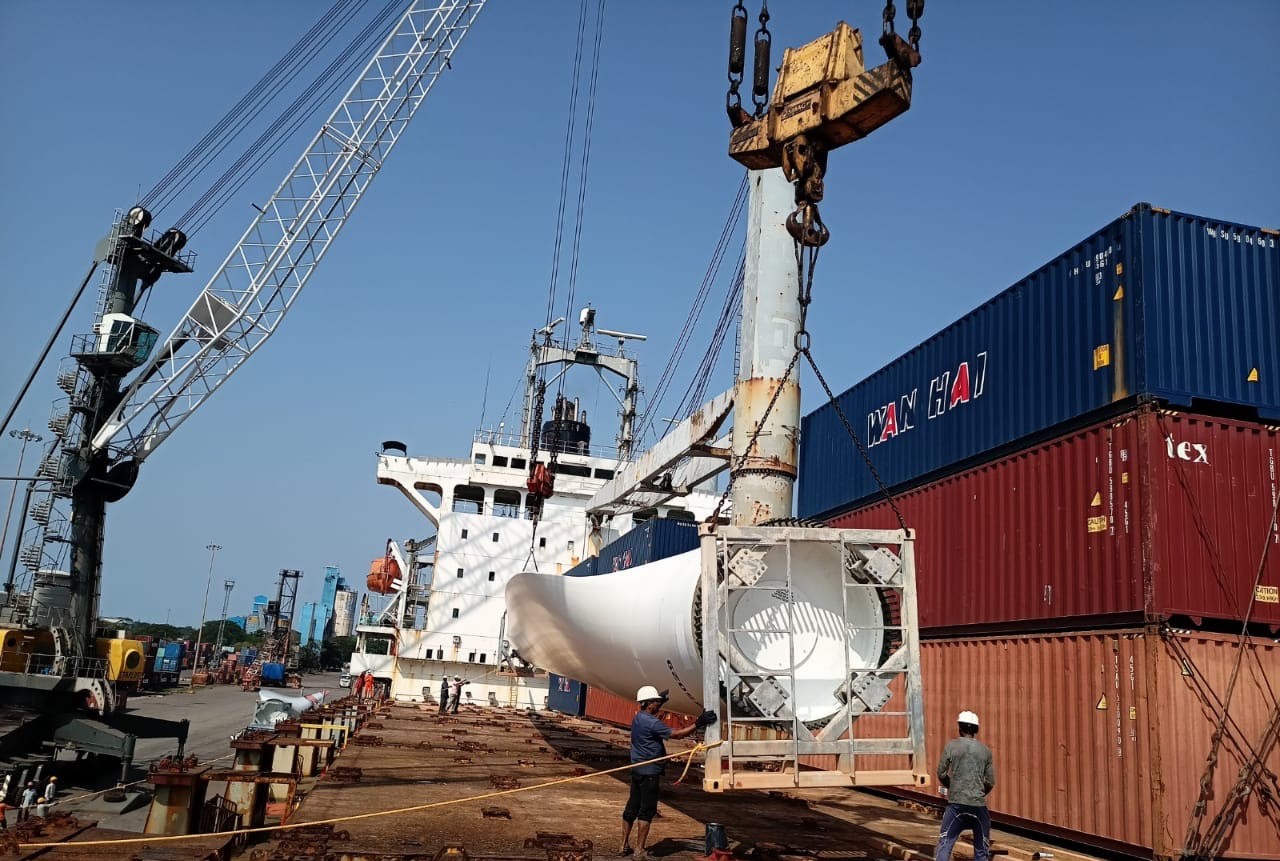
One of the leading renewable energy solutions providers faced a logistical challenge in transporting 134 windmill blades from Mangalore to Tuticorin. These blades, each measuring 54.8 meters in length, were the longest aerodynamic profiles the customer had ever produced at the time. Given their sheer size and weight, road transport posed significant obstacles, including infrastructure limitations, traffic bottlenecks, and environmental concerns. Transworld Group stepped in with an innovative solution—shifting transportation from road to sea, ensuring efficiency, sustainability, & cost-effectiveness.
Transporting 134 windmill blades via road presented multiple challenges:
Infrastructure Constraints: Each blade measured 54.8 meters in length, making it difficult to navigate sharp curves, ghats (hilly terrains), narrow roads, & bridges.
Traffic Delays: Heavy congestion on highways further extended transit time.
Restricted Movement: Road transport required movement permissions, allowing transit only during nighttime, further delaying the process.
High Carbon Emissions: Road transportation of such massive cargo significantly increased carbon footprints.
Dedicated Vessels: Utilizing our own vessels to complete the shipment in six trips over 45 days.
Seamless Port Handling: Streamlining loading and unloading operations at Mangalore and Tuticorin ports to minimize turnaround time.
Reduced Transit Time: Compared to road transport, the ocean route significantly reduced delays.
Sustainable Logistics: By shifting to sea transport, the operation drastically cut down carbon emissions, aligning with the customer’s sustainability goals.
By leveraging maritime transport, Transworld Group provided a smarter, more successful, and more sustainable logistics solution. This case study highlights how strategic execution can overcome logistical challenges, enhance supply chain efficiency, and promote environmental sustainability.